
How Often Do I Need an Electrical Safety Check?
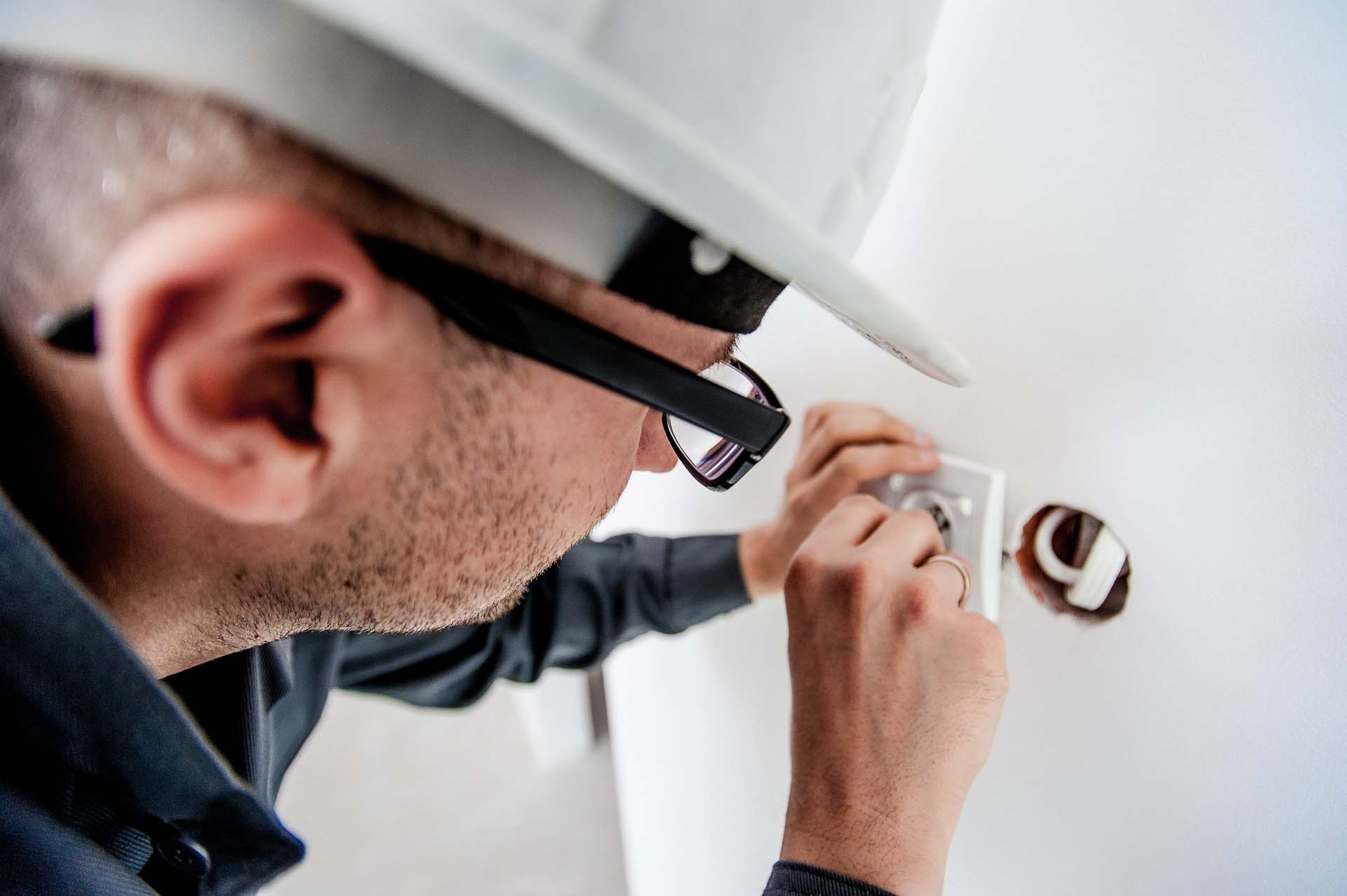
Residential Electrical Safety Check
Imagine life in a home or workplace without electricity, you’d likely be surprised at just how many everyday tasks, conveniences and comforts rely on this essential commodity. It's easy to take our electricity supply for granted until we experience an issue and feel the effects. Few things are more frustrating or concerning than losing power or discovering a fault in your electrical system. Thankfully, a professional electrical safety check helps ensure your electrical systems remain safe, reliable, and operating efficiently and cost-effectively.
In Australia, electrical safety check recommendations and standards are primarily set by Standards Australia, which publishes the AS/NZS 3000 Wiring Rules and related standards that guide how electrical systems should be installed, tested, and maintained.
These standards are then enforced and regulated at the state level. In Queensland, this is overseen by the Electrical Safety Office Queensland (part of Workplace Health and Safety Queensland), which provides guidance on how often safety checks should be carried out and ensures compliance with electrical safety laws. Additionally, you can consult a certified electrician for advice.
Recommended time frames for an electrical safety check include.
✔️ 3 - 5 years for most homes to ensure safety and compliance.
✔️ 2 to 3 years for homes older than 25 years old
✔️ 5- 10 years for homes under 10 years old
✔️ Every 2 years for rental properties
Commercial Electrical Safety Check
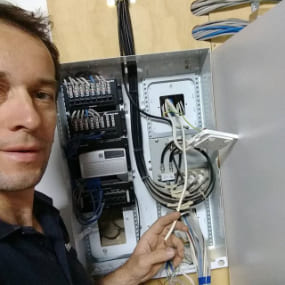
Commercial properties should have electrical safety checks annually to prevent hazards like fires, equipment failures, and costly downtime. Industries such as manufacturing, chemical processing, data centres, or healthcare are considered high-risk and may require more frequent, detailed inspections due to heavy machinery, high-voltage equipment, or sensitive systems. To keep your industry’s electrical systems safe and reliable, tailored electrical safety checks are essential, particularly for
- Hospitality and Commercial Kitchens
- Healthcare Facilities
- Construction Sites
- Manufacturing and Warehouse
Importance of Regular Electrical Safety Checks for both Homes and Businesses
Electricity is essential in modern life, providing the necessary power for our homes, businesses, communication systems, and countless devices that make daily tasks possible. When we experience a power outage, the effects can disrupt our routines and comfort very quickly.
Aside from the convenience and efficiency of electricity, it also has an element of danger if neglected or mishandled. Faulty wiring, overloaded circuits, or damaged appliances can cause electric shocks, fires, equipment damage and loss of life if not addressed. That's why it's vital to schedule routine inspections by qualified electricians who can ensure your electrical system is safe, reliable and efficient. Routine electrical servicing will:
- Reduce fire and safety hazards
- Prevent downtime and costly repairs
- Extend the lifespan of equipment and appliances
- Ensure compliance with Australian Regulations
- Provide peace of mind that occupants and property are safe
What does an Electrical Safety Check include?
Visual Inspection: all visible wiring, outlets, switches, smoke alarms, and electrical panels are checked for signs of wear, damage, overheating, or corrosion.
Testing of Power Outlets and Switches: all outlets and switches are tested to ensure they are functioning correctly and safely, including checking for correct polarity and grounding.
Circuit Breaker and Fuse Inspection: The main electrical panel is checked to ensure circuit breakers or fuses are working properly and that there are no signs of overloading or faulty connections.
Testing Residual Current Devices (RCDs) / Safety Switches: RCDs are tested to confirm they trip correctly, protecting people from electric shocks.
Wiring and Insulation Testing: specialised equipment is used to check the condition of wiring insulation to detect hidden faults
Appliance and Equipment Check: hardwired appliances, heaters, or other electrical devices are inspected for safety and correct operation.
Report and Recommendations: On completion, a detailed report is provided, highlighting any issues found, with recommendations for repairs, upgrades, or maintenance to ensure ongoing safety.
If you would like advice or assistance with an electrical safety check for your home or business, contact us for professional support.
https://www.bcmc.solutions/how-often-schedule-gas-electrical-safety-checks/